
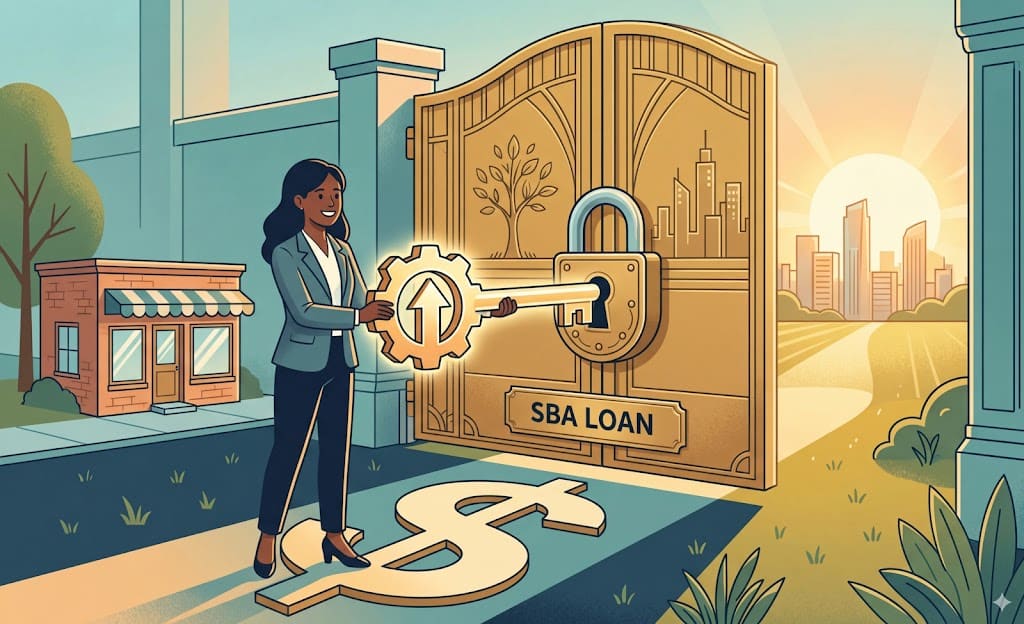
How to Get an SBA Loan: A Step-by-Step Guide for Small Businesses in 2026
Getting an SBA loan can be one of the most affordable ways to fund growth in the U.S.—but many business owners misunderstand one key detail:
You don’t apply to the SBA for most loans. You apply through an SBA-approved lender, and the SBA supports the loan program behind the scenes.
If you go into the process unprepared, you can lose weeks (or months) answering the same lender questions, missing documents, and fixing basic bookkeeping gaps.
Here is a practical, step-by-step roadmap to help you qualify, apply, and close with less stress.
- Understand What “SBA Loan” Really Means (You Apply Through a Lender)
The SBA’s 7(a) program page is very clear: you connect with a lender, and you apply directly through that lender—not the SBA.
This matters because each lender can have slightly different document requirements and underwriting preferences, even within the same SBA program.
- Choose the Right SBA Program for Your Goal (7(a) vs 504 vs Microloan)
Before you apply, you need to match the loan program to what you’re trying to do:
- 7(a) Loans: Common for working capital, equipment, business acquisition, and general business financing.
- 504 Loans: Often used for purchasing/renovating real estate or buying heavy equipment (typically through a lender + a Certified Development Company).
- Microloans: Smaller funding amounts (often used for early-stage needs). (Requirements vary by intermediary lender.)
Choosing the wrong program is one of the easiest ways to get delayed—because lenders will redirect your package or ask for different documents.
- Check Basic Eligibility (What Lenders and the SBA Expect)
For SBA 7(a), the SBA outlines eligibility basics such as:
- Operate for profit
- Be located in the U.S.
- Meet SBA size standards
- Be creditworthy and show ability to repay
- Demonstrate you can’t obtain the desired credit on reasonable terms elsewhere
Even if your business is strong, missing one of these fundamentals can stop the process early.
- Use SBA Lender Match to Find Lenders Faster
If you don’t already have a bank contact, SBA’s Lender Match is designed to connect you with participating SBA lenders.
How it works:
- Describe your needs (about 5 minutes)
- Get matched in about two days
- Talk to lenders and compare
- Apply through the lender you choose
This can save time and help you avoid applying blindly to lenders that aren’t a fit.
- Prepare a “Loan-Ready” Document Package (This Is Where Most People Struggle)
Your lender will tell you exactly what they need, but common SBA loan packages often include:
- Business and personal tax returns (often up to 3 years)
- Business bank statements
- Financial statements (Profit & Loss, Balance Sheet)
- Business plan and/or projections (when applicable)
- Business debt schedule
- Explanation of use of funds
- Collateral details (when applicable)
And for many SBA programs, lenders may request SBA Form 413 (Personal Financial Statement) to evaluate the borrower’s creditworthiness.
[Image suggestion: A clean “SBA Loan Checklist” graphic showing docs: tax returns, P&L, balance sheet, bank statements, Form 413, debt schedule]
- Submit the Application + Be Ready for Underwriting Questions
Once submitted, underwriting typically focuses on:
- Cash flow and repayment ability
- Consistency between bank statements, tax returns, and financial statements
- Credit history and owner strength
- Clear use of funds tied to business outcomes
This is where clean bookkeeping makes or breaks the process—because lenders need numbers they can trust.
- Closing: Don’t Skip the Fine Print
Before you sign:
- Confirm fees, term length, and repayment structure
- Ask about collateral and personal guarantees
- Review whether any prepayment penalties apply (depends on loan type/term)
A loan can be a growth tool—or a long-term headache—based on the details you agree to at closing.
Why Accounting Heart Helps You Get SBA-Ready
Most SBA loan delays don’t happen because a business is “bad.” They happen because the business is not document-ready.
At Accounting Heart Business Solution (Accoheart), we help business owners:
- Clean up bookkeeping so your financials match reality (and match your tax returns)
- Produce lender-friendly reports (P&L, Balance Sheet, cash flow clarity)
- Organize documentation so you respond faster during underwriting
- Build a simple compliance + finance system that supports future funding rounds
Funding should feel like a strategy—not a scramble.
👉 [Contact Accounting Heart today] and we’ll help you prepare a loan-ready financial package with confidence.